

Amigurumi, the delightful Japanese art of crafting small, stuffed animals and objects, has gained immense popularity worldwide in recent years. The word “amigurumi” is derived from the Japanese words “ami,” meaning crocheted or knitted, and “nuigurumi,” meaning stuffed doll. In this blog post, we will dive into the captivating origins of amigurumi, exploring its rich cultural history and the factors that have contributed to its global appeal.
Amigurumi’s Ancient Beginnings
Although amigurumi has become a trendy craft in recent times, its roots can be traced back centuries. In Japan, a tradition called “tsurushibina” involved hanging handmade dolls from branches during the Peach Festival, an event celebrating the arrival of spring. These dolls were believed to ward off evil spirits and bring good luck. This practice laid the foundation for the creation of small, stuffed figures that later evolved into amigurumi.
Evolution in Japan
During the early 20th century, Japanese crafters began experimenting with knitting and crocheting techniques, incorporating them into the art of doll-making. The popularity of amigurumi grew steadily, with the crafters using vibrant colors, intricate patterns, and meticulous detailing to bring their creations to life. These adorable creatures soon became an integral part of Japanese culture, symbolizing luck, happiness, and protection.
The Kawaii Culture

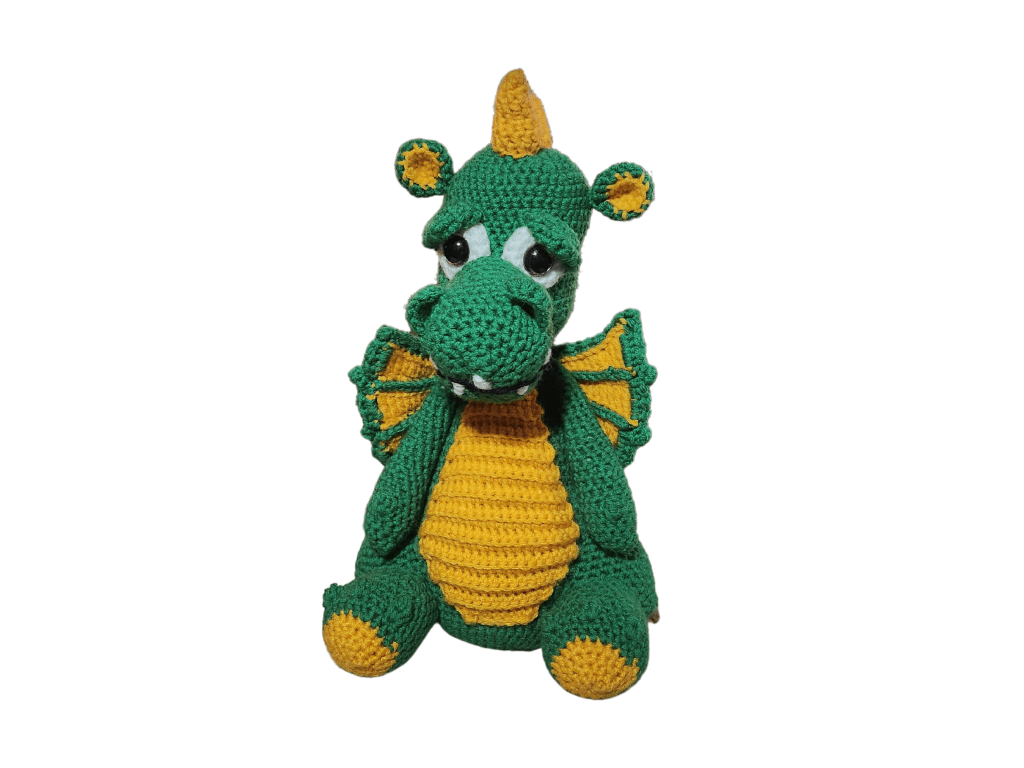

One of the significant contributors to amigurumi’s rise in popularity is the Kawaii culture in Japan. Kawaii, meaning “cute” or “adorable,” has influenced various aspects of Japanese society, including fashion, entertainment, and art. Amigurumi embodies the essence of Kawaii with its charming and lovable designs, appealing to people of all ages.
International Recognition
In the 21st century, amigurumi crossed borders and gained recognition worldwide, primarily through the internet. Crafters and enthusiasts from different corners of the globe began sharing patterns, tutorials, and finished pieces, sparking a global amigurumi community. Social media platforms, such as Instagram and Pinterest, played a crucial role in showcasing the creativity and versatility of this craft, further fueling its popularity.
Therapeutic Benefits
Apart from its visual appeal, amigurumi has also gained recognition for its therapeutic benefits. The repetitive motions involved in crocheting or knitting amigurumi can be calming and meditative, serving as a form of stress relief. Additionally, the sense of accomplishment that comes with completing a project can boost self-esteem and promote overall well-being.
Amigurumi has undoubtedly come a long way from its humble beginnings as a traditional Japanese craft. Its evolution into a worldwide phenomenon is a testament to its timeless charm and universal appeal. Whether you are a seasoned crafter or someone looking to embark on a new creative journey, amigurumi offers an opportunity to explore a captivating art form that bridges cultures and brings joy to people around the world. So grab your hooks and yarn, and let your imagination run wild as you embark on your own amigurumi adventure!
 Living4Crafting
Leave a comment